Severe Weather Readiness Starts With Practical Office Cover
Why SMEs should check sums insured before disruption strikes
The information on this website is general in nature and does not take into account your objectives, financial situation, or needs. Consider seeking personal advice from a licensed adviser before acting on any information.
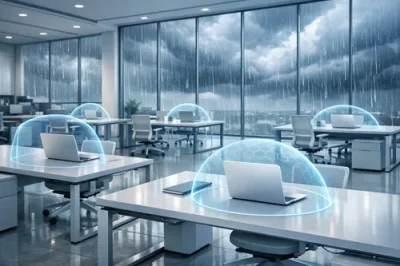
Fresh insurance industry commentary ahead of the warmer months is again putting severe weather, repair costs and business interruption risk in front of Australian small businesses.
For office-based SMEs, the warning is not limited to flood-prone or coastal locations.
Storm damage, water ingress, power interruption, fallen trees, damaged signage and access restrictions can all affect a professional workplace, even when the premises itself appears relatively low risk.
The timing matters because many office insurance policies are renewed on autopilot. A business may have added workstations, upgraded technology, expanded into a larger tenancy or increased reliance on cloud systems since its last proper review. If sums insured remain based on old replacement values, a claim may expose an uncomfortable gap between what the business owns and what the policy is prepared to fund.
This is an extension of the recent discussion about easing commercial insurance conditions: more stable premiums are useful, but they do not remove the need for disciplined cover decisions. If market pressure eases slightly, SMEs should use that breathing space to improve accuracy rather than simply trimming limits to save money.
For an office tenant, the key areas to review usually include fit-out, furniture, computers, servers, phone systems, portable equipment, records, tenant improvements, glass, theft cover and business interruption. For an owner-occupier or commercial landlord, building reinstatement costs, professional fees, demolition, debris removal, compliance upgrades and loss of rent may also need attention.
A practical review should focus on the following questions:
Would the current contents and equipment limit replace assets at today’s prices, including delivery, installation and configuration?
Is the business interruption indemnity period long enough if repairs, approvals, supply delays or relocation take longer than expected?
Does the policy respond if the premises is not damaged but access is restricted, utilities fail or a key supplier is interrupted?
Are exclusions for flood, stormwater, wear and tear, maintenance or gradual damage clearly understood?
Have lease obligations, landlord requirements and client contracts changed since the policy was arranged?
Office operators should also document assets before an event occurs. Photos, invoices, asset registers, software licences and tenancy documents can make the claims process more efficient and reduce disagreement over value or ownership. Businesses that rely heavily on laptops and remote work should check whether equipment is covered away from the insured premises.
The broader lesson is simple: weather risk is becoming a continuity issue, not just a property issue. Before peak storm season, SMEs should estimate current replacement costs, review interruption assumptions and consider whether their office insurance coverage still reflects how the business actually operates. Tools that help estimate appropriate sums insured can provide a useful starting point before comparing policy options or seeking advice.
Please Note: We do not endorse any specific products or companies. Some content is sourced from third parties, including press releases, and may not be independently verified for accuracy or completeness.
A federal parliamentary inquiry into small business insurance has pushed back its reporting timetable, extending the wait for recommendations on insurance affordability, availability and regulation. Insurance News reported on 27 October 2026 that the inquiry, which had been expected to report that day, now intends to table its final report by 26 February 2027 after receiving extensive evidence from across the market. - read more
Fresh insurance industry commentary ahead of the warmer months is again putting severe weather, repair costs and business interruption risk in front of Australian small businesses. For office-based SMEs, the warning is not limited to flood-prone or coastal locations. Storm damage, water ingress, power interruption, fallen trees, damaged signage and access restrictions can all affect a professional workplace, even when the premises itself appears relatively low risk. - read more
Fresh industry reporting on general insurance conduct has put claims handling back under the microscope, with recurring concerns around communication, assessment timeframes and the way policy decisions are explained. For office-based small and medium businesses, this is more than a consumer service issue. A delayed or disputed claim can quickly affect cash flow, client delivery, staff confidence and the ability to keep operating after an insured event. - read more
NSW’s move away from funding emergency services through insurance premiums is again drawing attention to one of the long-running cost pressures in commercial insurance. For office-based small and medium businesses, the issue is not just a line item on a renewal notice. It goes to the heart of whether businesses can afford to maintain practical cover for property, contents and interruption risks. - read more
Office insurance is a specialised form of protection crafted to shield businesses from a variety of risks specific to their operational environment. - read more
Australian office-based businesses may face legal, contractual and practical insurance requirements. This guide explains which types of cover may be mandatory, when insurance may be required by leases or clients, and which policies are optional risk protections. - read more
Office insurance costs can vary widely between Australian businesses because premiums are based on risk, cover choices and insurer criteria. This guide explains the main factors that may influence office insurance quotes, including business activities, property values, location, claims history, policy limits, excesses and optional cover. - read more
Public liability and professional indemnity insurance can both be important for office-based businesses, but they respond to different types of claims. This guide explains the difference between third-party injury or property damage claims and claims connected to professional advice, errors, omissions or negligence. - read more
Knowledgebase
Occupational Hazard: A risk associated with the nature of a particular occupation, which may affect insurance premiums.



No comments yet. Be the first to share your thoughts.